

On this page
- The Real Dropshipping Failure Rate: What the Numbers Tell Us
- Mistake #1: Choosing Suppliers Based on Price Instead of Reliability
- Mistake #2: Ignoring True Profit Margins Until Money Runs Out
- Mistake #3: Launching Without a Validated Traffic Strategy
- Mistake #4: Setting Unrealistic Delivery Expectations
- Mistake #5: Selling Saturated Products Without Differentiation
- Mistake #6: Neglecting Trust Signals and Customer Experience
- The Path Forward: Building a Store That Survives
The Real Dropshipping Failure Rate: What the Numbers Tell Us
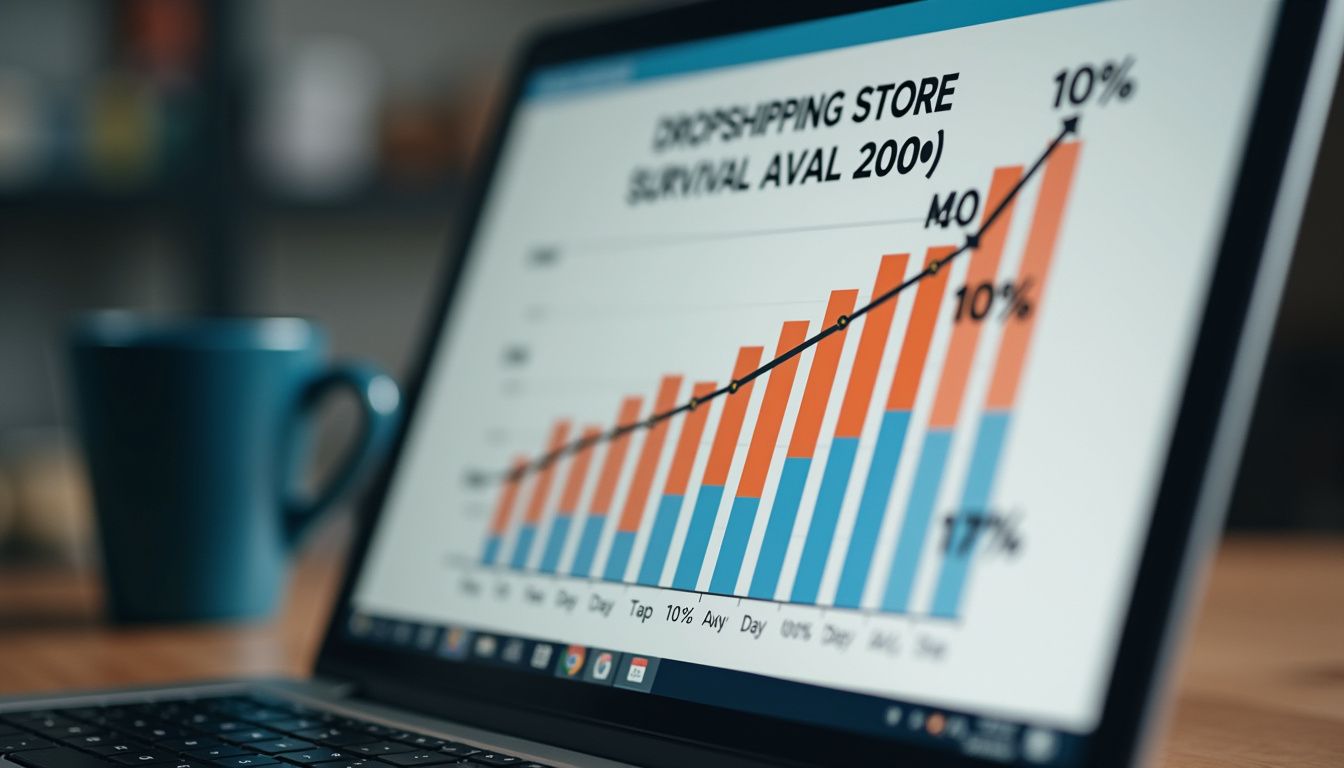
The numbers don't lie, and they're more sobering than most beginner guides will admit. According to EarnifyHub's 2026 analysis, 80% of dropshipping stores fail within the first 90 days. The remaining stores face an additional culling—by day 120, only 10% of all launched stores remain operational. Even more striking: only 5% of stores ever reach $10,000 per month in revenue, and less than 1% exceed $100,000 monthly.
These figures align with Shopify Commerce Trends Report data, which confirms that roughly 90% of new dropshipping stores close within 120 days of launching. But here's what matters more than the raw percentage: the reasons behind these failures are remarkably consistent and, more importantly, entirely preventable. The average beginner loses between $500 and $2,000 before quitting, yet most never identify the specific mistakes that drained their investment.
Understanding the dropshipping failure rate isn't about discouragement—it's about pattern recognition. Spocket's research reveals that early-stage failure typically stems from product-market fit problems, trust deficits, and traffic quality issues, while mid-stage failure results from margin math errors, operational breakdowns, and supplier instability. The entrepreneurs who survive past 90 days aren't necessarily smarter or better funded; they simply avoid a predictable cluster of execution errors that we'll dissect in detail.
Mistake #1: Choosing Suppliers Based on Price Instead of Reliability

The single fastest way to kill your dropshipping store is picking a supplier solely because they offer the lowest product cost. Industry analysis shows that supplier-related issues—not marketing failures—cause 70% of early dropshipping collapses. Picking random AliExpress sellers with no track record means accepting 20-45 day shipping times to the US, receiving counterfeit or mislabeled goods, dealing with missing tracking numbers, and getting zero support when problems inevitably arise.
The legal exposure compounds the operational headaches. The FTC requires that any product claims you make—materials, country of origin, health benefits—must be truthful and substantiated. If your supplier provides inaccurate product descriptions, you remain legally responsible. US Customs and Border Protection can seize shipments violating import rules, leaving your customer empty-handed and your account flagged with payment processors.
Real-world validation from documented case studies shows the financial impact: one store owner sourced LED desk lamps from an unvetted AliExpress seller and experienced an 18% refund rate after 60 orders because units arrived damaged or non-functional. After switching to a Zendrop-verified supplier and ordering samples first, the refund rate dropped to 4% within two months. That difference—14 percentage points—determines whether your store survives or bleeds money until you quit.
The fix requires a systematic five-point vetting process before committing to any supplier: (1) Send a pre-order message and discard suppliers who don't respond within 24 hours, (2) Get return and refund terms in writing before your first order, (3) Order the product yourself to verify quality, packaging, and actual delivery time, (4) Confirm warehouse location and whether inventory ships domestically or internationally, and (5) Check seller ratings, order volume, and dispute history. Vetted platforms like Zendrop and AutoDS have completed much of this screening work, offering US-based warehouse fulfillment with 3-5 day domestic shipping on select products as of 2026.
Mistake #2: Ignoring True Profit Margins Until Money Runs Out

Most new dropshippers price products on gut feeling—"I'll sell it for double what I pay"—without calculating the real costs consuming every sale. Q1 2026 calculations reveal how devastating this mistake becomes: a phone case selling at $24.99 with a $6 product cost appears to offer a 76% markup. But after adding $4.50 shipping, $7 average ad cost per acquisition, $1.02 in Stripe fees, and accounting for a 6% return rate, the actual net profit was $1.89 per unit—too thin to sustain any business.
The complete profit formula accounts for every dollar leaving your business: Selling Price − (Product Cost + Shipping + Ad Spend + Platform Fees + Returns) = Net Profit. Current Shopify pricing charges $39/month on the Basic plan as of 2026, plus 2.9% + $0.30 per transaction through Shopify Payments or similar rates through Stripe and PayPal. For a $39.99 product with a $12 cost, $5 shipping, and $8 in Meta Ads spend, transaction fees alone consume approximately $1.46, leaving a net profit of $13.53—before factoring in returns.
The US e-commerce average return rate sits between 5-8% according to National Retail Federation 2025 data, further eroding your real margin. Additionally, if you source from overseas suppliers, currency fluctuations between USD and CNY can shift your product cost by 3-7% in either direction quarter over quarter, as tracked by Reuters Currency Data through 2026. These aren't theoretical concerns—they're mathematical certainties that determine whether you can afford to acquire your next customer.
Merchants who skip margin math typically discover the problem only after they've scaled into losses. Stripe and PayPal will freeze your funds if your chargeback rate exceeds 1%, and you cannot sustain customer acquisition when each sale generates less than $5 in net profit. The protective threshold: aim for at least 30% gross margin before scaling ad spend, giving you room to absorb refunds, ad cost spikes, and supplier price changes without immediately going underwater.
Mistake #3: Launching Without a Validated Traffic Strategy

Building a beautiful Shopify store means nothing if nobody sees it. Industry benchmarks show that the average e-commerce conversion rate sits between 1% and 3%, while new dropshippers with unoptimized sites often convert below 0.5%. This means you need thousands of qualified visitors to generate your first meaningful sales, yet most beginners launch without any proven method to drive that traffic.
The three root causes explaining almost every failed store, according to comprehensive failure analysis, are picking the wrong supplier, ignoring profit margin math, and launching without a traffic plan. The third element kills stores that actually solved the first two problems. Relying exclusively on organic social media, waiting for SEO to mature, or assuming TikTok videos will go viral represents hope-based planning rather than business strategy.
Paid advertising—primarily Meta Ads (Facebook and Instagram), Google Shopping, and TikTok Ads—provides the most reliable traffic for new dropshipping stores in 2026. But running ads without testing compounds your financial risk. The correct sequence requires starting with small daily budgets ($10-20) across multiple ad variations, identifying which creative formats and audience segments generate profitable customer acquisition costs, and only then increasing spend on validated winners.
Industry practitioners emphasize that profitable stores typically test 15-25 products before finding a winning product, while beginners often quit after testing 2-3. This testing requirement extends to traffic sources: successful dropshippers systematically test different ad platforms, creative approaches, and targeting strategies before committing their limited capital. The stores that fail at scale—roughly 60% according to DSers data—usually do so because they scaled ad spend before validating unit economics, creating a cash-burning machine that grows losses instead of profits.
Mistake #4: Setting Unrealistic Delivery Expectations

US shoppers in 2026 expect 5-7 day delivery as a baseline, according to Jungle Scout Consumer Trends Report. Amazon Prime has conditioned consumers to expect next-day or two-day shipping, creating a brutal competitive environment for dropshippers using international suppliers. If your product takes three weeks to arrive and you didn't disclose that timeframe upfront, expect chargebacks, refund requests, and reputation-destroying reviews.
The legal framework adds teeth to customer expectations. The FTC's Mail, Internet, or Telephone Order Merchandise Rule requires that you ship within the timeframe you advertise—or notify the customer and offer a cancellation option. Hiding long shipping times in fine print doesn't protect you legally and absolutely doesn't protect you commercially. Regulatory compliance research confirms that payment processors like Stripe and PayPal will freeze your funds if your chargeback rate exceeds 1%, and misleading delivery claims provide easy grounds for customers to dispute charges.
Bad reviews compound exponentially fast. One unhappy customer can post negative feedback on Google Shopping, file a Better Business Bureau complaint, and share their experience across social media platforms in the same afternoon. Google Merchant Center can suspend your product listings for misleading delivery claims, instantly cutting off one of your primary traffic sources. This cascade of consequences stems from a single preventable mistake: not being transparent about shipping times before the customer clicks "buy."
The operational fix requires both honesty and infrastructure improvements. Display honest delivery estimates prominently on product pages and at checkout, even if those estimates seem longer than you'd prefer. Automate order tracking emails so customers know where their package is at every stage, reducing anxiety and preempting support inquiries. Most importantly, prioritize suppliers offering domestic or regional fulfillment—platforms like Zendrop now provide US-based warehousing with 3-5 day delivery on select products, transforming shipping from a liability into a competitive advantage worth the higher per-unit cost.
Mistake #5: Selling Saturated Products Without Differentiation
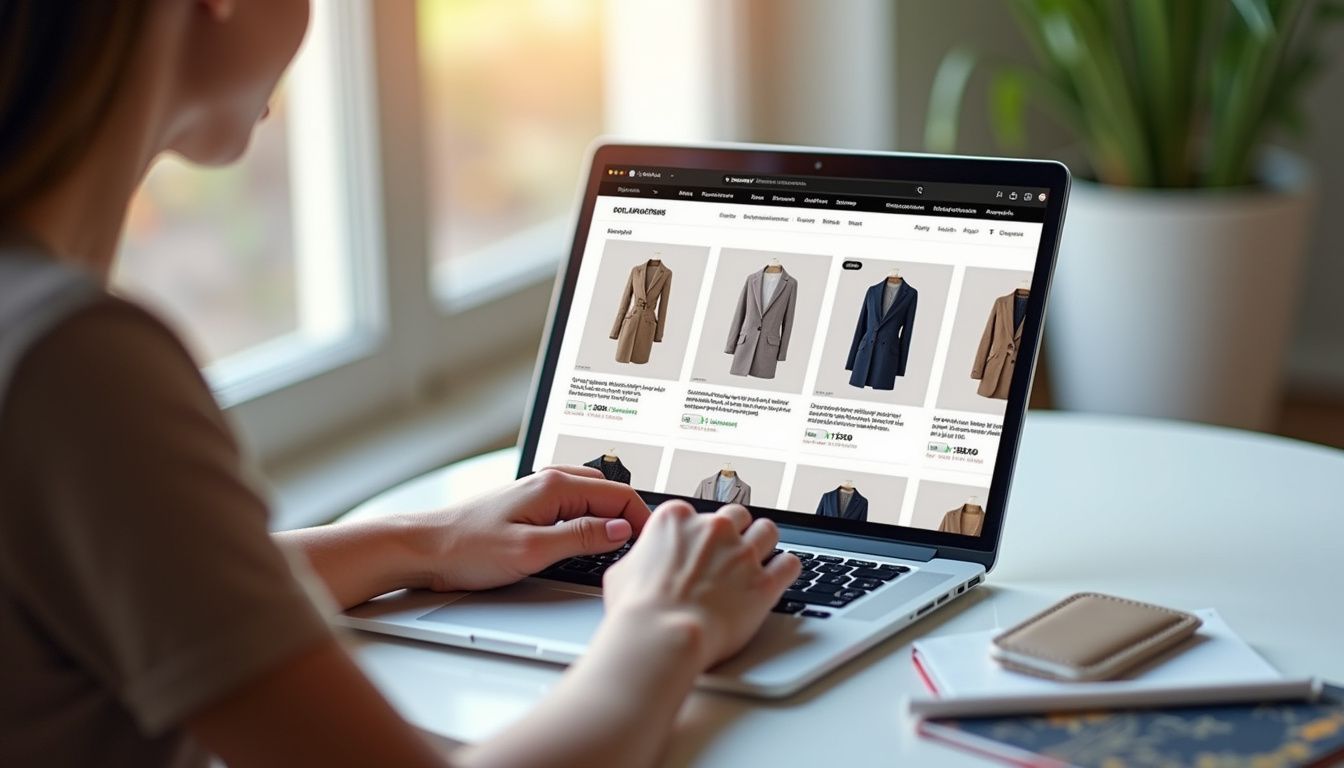
Chasing viral TikTok Shop products feels like smart strategy until you realize 10,000 other stores launched the same product last week. Market analysis shows that a product with 10 million views doesn't guarantee profit if every competing store has already sourced it and the supplier can't maintain quality standards under sudden demand spikes. This creates a race to the bottom on pricing while simultaneously driving up advertising costs as competition for the same audience intensifies.
Product saturation manifests in measurable ways: rising cost per acquisition on Meta Ads as more stores target the same demographics, declining conversion rates as customers see identical products across multiple stores, and increasing customer acquisition costs that exceed your profit per unit. Strategic guidance recommends balancing your catalog with a 70/30 split between evergreen products and trending items. Evergreen products—items with steady year-round demand like pet accessories, home organizers, or personal care tools—provide stability, while trend products offer short-term upside.
Validation before commitment protects your capital and time. Free tools allow you to assess demand and competition before sourcing inventory or launching ads: Google Trends shows search interest over time, revealing whether a product is rising, peaking, or declining; Facebook Ad Library displays how many stores are currently advertising the same product; and Amazon Best Sellers indicates market saturation and pricing dynamics in established categories. These research steps take 30 minutes per product but prevent weeks of wasted ad spend.
The counterintuitive insight from experienced dropshippers is that slightly boring, consistent sellers often outperform exciting viral products over 12-month periods. A kitchen organizer selling 3-5 units daily at $15 profit per unit generates $16,425-$27,375 annually with minimal volatility. A trending fidget toy might generate $8,000 in one exceptional month, then become worthless as the trend evaporates. New store owners get seduced by the explosive growth potential while ignoring the sustainability question that determines actual business viability.
Mistake #6: Neglecting Trust Signals and Customer Experience
Conversion rate optimization isn't about tricks—it's about reducing friction and building confidence. Conversion data shows new dropshippers with unoptimized sites often convert below 0.5%, meaning 199 out of 200 visitors leave without buying. While some visitors were never going to purchase, many abandon simply because the store failed to answer basic trust questions: Is this company legitimate? What happens if the product doesn't arrive? Can I return this if it doesn't work?
Essential trust signals for 2026 include displaying clear contact information (not just a contact form—an actual email address and business location), showing a detailed return and refund policy written in plain language rather than copy-pasted legalese, featuring authentic product photos or videos rather than exclusively using supplier images that appear on 50 other sites, and installing recognized security badges from your payment processor. These elements don't guarantee sales, but their absence guarantees abandonment from cautious shoppers.
Customer service quality directly impacts your store survival rate. Operational research confirms that 70% of failures result from avoidable operational mistakes—supplier issues, poor customer service, chargebacks—rather than marketing failure. Responding to customer inquiries within 24 hours, proactively updating customers about order status, and handling complaints professionally before they escalate to chargebacks determines whether you maintain the payment processing relationships that keep your business operational.
The financial consequences of neglecting customer experience appear in payment processor actions, not just lost sales. Payment providers monitor your chargeback rate, refund rate, and customer complaint frequency. Cross the threshold on any metric and they'll freeze your funds pending investigation or terminate your account entirely. Compliance requirements show that maintaining these relationships requires treating customer experience as a financial risk management issue, not an afterthought. Building a clear returns page, automating tracking notifications, and responding promptly to support requests aren't optional nice-to-haves—they're survival requirements for staying in business past day 90.
The Path Forward: Building a Store That Survives
The dropshipping failure rate isn't mysterious—it's mechanical. Comprehensive 2026 data shows that stores fail because they repeat the same six mistakes in predictable sequence: choosing unreliable suppliers, miscalculating margins, launching without traffic strategy, hiding shipping realities, chasing saturated products, and ignoring trust signals. Each mistake alone can kill your store; combined, they guarantee failure within 90 days.
But the inverse is equally true: survivor analysis reveals that stores avoiding these specific errors dramatically improve their odds. The 10% that survive past 120 days aren't lucky—they systematically addressed each failure point before launching or corrected mistakes quickly when they appeared. They vetted suppliers through sample orders, calculated net profit per unit including all fees and returns, established paid traffic channels with tested campaigns, disclosed honest shipping timelines, selected products with validated demand-to-competition ratios, and built trust signals that converted visitors into customers.
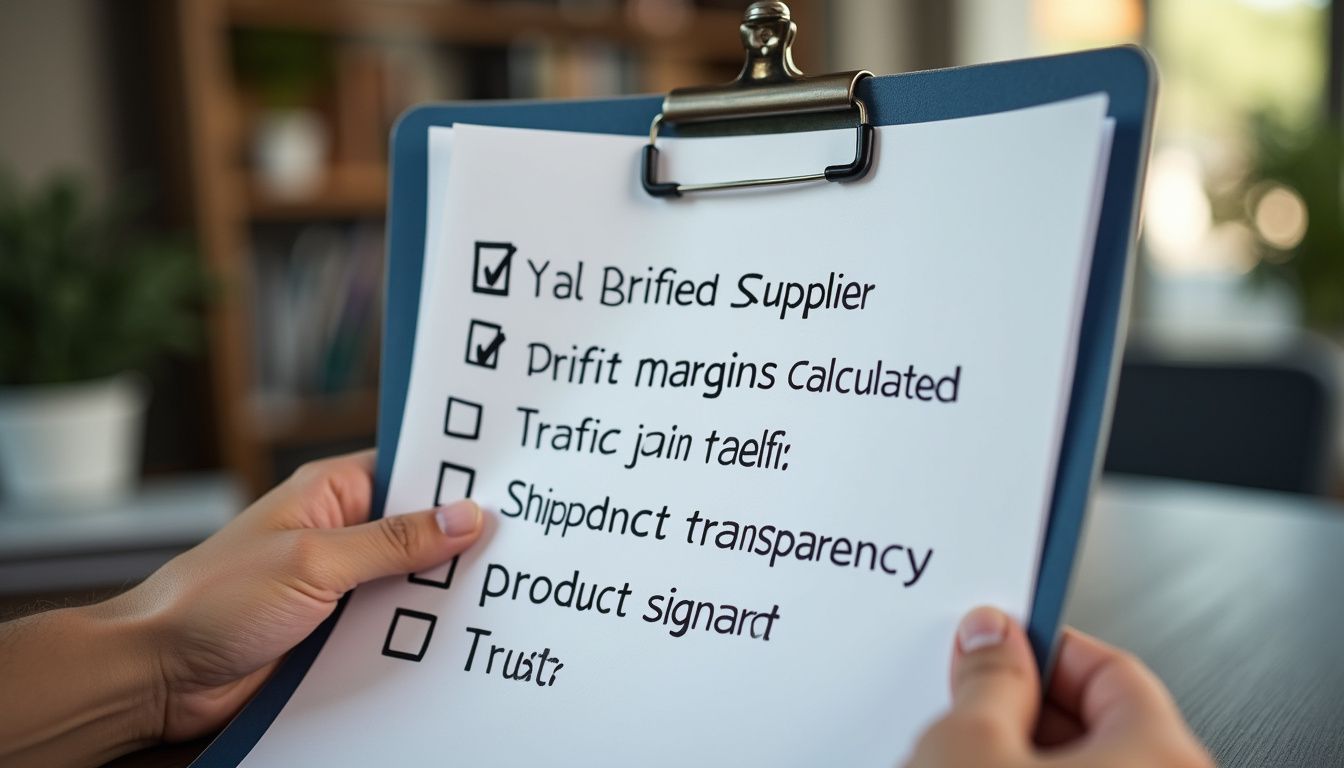
Your competitive advantage in 2026 isn't discovering a secret product or growth hack—it's simply executing the fundamentals that 80% of beginners ignore. Start with supplier verification using the five-point checklist. Calculate your true margins and refuse to sell anything generating less than 30% gross profit. Allocate budget for paid traffic testing before launch. Display shipping times prominently. Research product saturation before sourcing. Install trust signals and respond to customers within 24 hours. These actions sound mundane because they are—but they're also the precise difference between the 10% who survive and the 90% who quit.
The sobering reality from longitudinal studies is that profitable stores typically test 15-25 products before finding a winner, meaning beginners who quit after 2-3 products never gave themselves a realistic chance. Success in dropshipping isn't about avoiding work—it's about avoiding the specific mistakes that waste your limited testing capital before you identify what works. Treat your first 90 days as a learning laboratory, not a lottery ticket, and your odds of reaching day 91 improve dramatically.