
On this page
- Why Posting Time Still Matters in 2026
- Best Time to Post Instagram Reels (Based on 9.6M Posts)
- Best Time to Post on TikTok (2026 Industry Benchmarks)
- Platform Differences: Instagram Reels vs TikTok Timing Strategy
- How to Find Your Brand's Perfect Posting Time
- Recommended Posting Frequency by Platform
- Timezone Considerations and Global Audiences
- Industry-Specific Timing Variations
- What to Do if You Can't Post During Peak Times
- Algorithm Updates to Watch in 2026
- Quick Reference: 2026 Posting Time Cheat Sheet
Why Posting Time Still Matters in 2026

Despite algorithm updates claiming to prioritize content quality over timing, when you post still significantly impacts your reach in 2026. Both Instagram and TikTok weigh early engagement velocity heavily—when your first viewers watch, like, comment, and share quickly, the platforms expand distribution to broader audiences. According to CuteDyno's analysis, posting when your followers are actively online creates that critical first wave of engagement that signals quality to the algorithm.
The science behind timing comes down to platform behavior patterns. As Sprout Social's 2026 study of nearly 2 billion engagements reveals, short-form video demands active, sound-on attention unlike text-heavy platforms users can quickly scan during meetings. Engagement surges when audiences have mental bandwidth to actually watch and engage—typically during lunch breaks, late afternoon work slumps, and evening wind-down periods.
Instagram's Head Adam Mosseri provided key insight into this behavioral shift: "People tend to look for their closest friends in stories, use explore to discover new content and creators, and be entertained in reels." This entertainment-seeking behavior concentrates during specific windows when people have time to genuinely engage rather than passively scroll.
Best Time to Post Instagram Reels (Based on 9.6M Posts)
The definitive answer from Buffer's analysis of 9.6 million Instagram posts: the best time to post Instagram Reels is evening hours between 6 PM and 11 PM, with Wednesday and Thursday as your strongest days. If you're only posting one Reel this week, aim for Wednesday or Thursday evening to capture maximum engagement during the platform's peak entertainment window.
The top three specific time slots for Instagram Reels are Thursday at 9 AM, Wednesday at 12 PM, and Wednesday at 6 PM. However, evening slots consistently outperform across every weekday except Thursday, where morning posts (7 AM–9 AM) unusually dominate. This evening preference aligns with how audiences use Reels—as Mosseri noted, people come to Reels to be entertained, and that entertainment consumption spikes once the workday ends and viewers have time to actually watch.
Wednesday stands out as the single best day to post on Instagram overall, followed by Thursday and Tuesday. Midweek consistently crushes weekend performance—Buffer's data shows Friday and Saturday are the worst days to post, with engagement dropping across every time slot. The algorithm's most valued signal in 2026 is "sends per reach" (how often people DM your Reel), and these sharing behaviors concentrate during evening downtime rather than rushed midday moments.
Best Time to Post on TikTok (2026 Industry Benchmarks)
According to Sprout Social's 2026 analysis of 307,000 global profiles, the overall best times to post on TikTok are Tuesdays through Thursdays between 2 PM and 6 PM local time. This mid-to-late afternoon window captures audiences seeking an entertaining mental break as their workday winds down, with sound-on attention levels that short-form video requires.
Breaking down TikTok's best posting times by day: Mondays perform well from 3–5 PM, Tuesdays hit peak engagement from 2–6 PM, Wednesdays dominate with an extended window from 1–8 PM, Thursdays maintain strong performance from 1–5 PM, and Fridays see high engagement from 3–5 PM. Interestingly, Buffer's separate analysis found TikTok views climb throughout the evening with strongest performance between 6 PM and 11 PM, plus Saturday mornings showing unexpected strength.
The worst day to post on TikTok is Sunday, when engagement bottoms out as audiences prioritize offline routines and prep for the week ahead. Hold your content until Monday afternoon to ensure videos get the early algorithmic traction they need. Unlike Instagram where weekends underperform universally, TikTok shows interesting Saturday strength—Metricool's data suggests Sunday evening and Monday also perform well, indicating TikTok's weekend behavior differs from other platforms.
Platform Differences: Instagram Reels vs TikTok Timing Strategy
While both platforms focus on short-form video, their optimal posting windows reveal different audience behaviors. Instagram Reels engagement concentrates sharply in evening hours (6-11 PM) when the platform's core audience—existing followers—unwinds and seeks entertainment. TikTok spreads engagement more broadly across late afternoon (2-6 PM) when discovery-focused users take work breaks, plus maintains strong evening performance.
The weekday versus weekend split also diverges significantly. Instagram Reels see Friday and Saturday as the worst posting days with universal engagement drops, suggesting the platform's audience disconnects on weekends. TikTok maintains Saturday strength and even shows Sunday evening potential, indicating its younger, discovery-driven audience consumes content more consistently across the full week.
According to CuteDyno's posting strategy guide, Instagram values sends per reach (DMs) as its top 2026 algorithm signal, while TikTok weighs watch time and completion rate more heavily. This means Instagram Reels benefit from evening posting when friends are messaging, while TikTok content needs to capture attention whenever scrollers have genuine time to watch—hence the broader afternoon-to-evening window.
How to Find Your Brand's Perfect Posting Time

Industry benchmarks provide starting points, but your specific audience may break the pattern. CuteDyno recommends a structured 3-week testing framework to identify your optimal slots. Start by pulling audience activity data directly from platform analytics: Instagram Insights → Total followers → Most active times, and TikTok Analytics → Followers → Follower activity. These native insights reveal when your specific audience is online.
Pick three test slots per platform—one morning, one midday, one evening window. Keep content format consistent (same length, similar style) and post each slot multiple times over three weeks while tracking reach, watch time, saves, shares, and comments. CuteDyno suggests scoring each slot using weighted metrics: 35% watch time/completion, 25% shares, 20% saves, and 20% comments to identify true engagement rather than vanity metrics.
After your 3-week test, your top two slots become your default posting schedule for the next month. Log results in a simple spreadsheet for easy comparison, then retest every 3-6 months as audience behavior shifts seasonally and platform algorithms evolve. This data-driven approach beats blindly following generic "best times" that may not match your niche.
Recommended Posting Frequency by Platform
Timing means nothing without consistent volume. CuteDyno's 2026 recommendations suggest posting 4-6 Reels plus 2 carousels weekly on Instagram, while TikTok performs best with 5-7 videos per week. Instagram Stories should go out daily for warm traffic nurturing, but won't replace your core Reels strategy for growth.
This frequency ensures you're testing optimal time slots multiple times per week rather than drawing conclusions from single posts. If Wednesday at 7 PM is theoretically your best slot but you only post there once monthly, you're leaving massive reach on the table. Consistency at proven times compounds algorithmic favor—platforms reward creators who reliably deliver content when audiences are active.
For brands managing multiple platforms, Buffer's cross-platform analysis shows Instagram performs best 9 AM and 6 PM on weekdays, while TikTok dominates 6-11 PM daily plus weekend mornings. Schedule content in batches using native platform tools or third-party schedulers to maintain frequency without burning out your team.
Timezone Considerations and Global Audiences

All optimal posting times reference local time—whether your target audience sits in Los Angeles or London, schedule posts for the recommended hours in their respective local timezones. Sprout Social's methodology analyzed 307,000 global profiles using local time conversions to ensure accuracy across regions. If you're targeting U.S. East Coast audiences, 7 PM EST is your evening window regardless of where you're physically located.
For brands with genuinely global audiences spanning multiple continents, consider posting twice daily to cover different timezone clusters. A creator targeting both U.S. and UK audiences might post at 7 PM GMT (covering UK evening and U.S. afternoon) and again at 7 PM EST (covering U.S. evening and late UK night owls). Track performance by geography in analytics to see which timezone clusters drive your strongest engagement.
Instagram and TikTok's algorithms increasingly prioritize showing content to audiences in similar timezones first before expanding reach. This means posting at 2 AM your local time to "catch" a different timezone often backfires—you miss your core audience's engagement velocity window, and the algorithm doesn't compensate. Post when YOU want your primary audience to see content, not when you hope to game geography.
Industry-Specific Timing Variations
Buffer's research notes that your mileage may vary by industry—morning posts may work better for retail or media, while afternoon slots tend to outperform for finance or hospitality. B2B brands often see stronger LinkedIn-style weekday morning engagement, while B2C entertainment content crushes during evening relaxation windows.
Fitness and wellness creators frequently find early morning posts (6-8 AM) perform unexpectedly well as audiences seek motivation before workouts. Food content dominates during meal planning windows (10 AM-12 PM for lunch, 4-6 PM for dinner) when viewers actively seek recipe inspiration. Fashion and beauty content peaks during evening scrolling sessions (7-10 PM) when shopping inspiration strikes.
Educational content creators and business coaches see different patterns—their audiences often engage during intentional learning windows like Sunday evenings (planning for the week) or lunch breaks (professional development time). This underscores why testing your specific audience matters more than following generic benchmarks. Your niche's behavior patterns may completely contradict industry averages.
What to Do if You Can't Post During Peak Times

Real talk: if optimal posting time is 7 PM Wednesday but you're managing client accounts across timezones or balancing content creation with a day job, something has to give. Good news—both Instagram and TikTok offer native scheduling tools, and third-party platforms like Buffer, Metricool, and Later provide robust scheduling with analytics integration. Schedule content in batches during your production time to hit optimal windows automatically.
The algorithm doesn't penalize scheduled posts versus manual publishing. What matters is posting consistency at times when your audience is active, not whether you personally clicked "publish" in that moment. Batch-create content on your available days (many creators film everything Sunday afternoon), then schedule strategically throughout the week to maintain presence during high-engagement windows.
If you absolutely cannot schedule and must post during off-peak hours, focus on maximizing the engagement you DO get. Respond immediately to every comment to boost engagement velocity, share to Stories with polls or question stickers to drive interaction, and consider running small paid promotions to jumpstart reach when organic timing works against you. Content quality still matters more than perfect timing—a mediocre Reel at 7 PM will underperform an excellent one at 10 AM.
Algorithm Updates to Watch in 2026
Instagram's biggest 2026 algorithm shift prioritizes "sends per reach"—how often viewers DM your Reel to friends—as the top ranking signal. This metric correlates strongly with evening posting when social sharing peaks. Adam Mosseri confirmed Instagram now weights "whether people found your content interesting enough to send to friends" above traditional likes or saves, fundamentally changing what "engagement" means for reach.
TikTok continues refining its "watch time" emphasis, with completion rate mattering more than ever. The platform now considers not just whether someone watched your full video, but whether they immediately rewatched, scrolled back to watch again later, or shared it privately. These behaviors concentrate during afternoon-to-evening windows when viewers have attention bandwidth for genuine engagement rather than passive scrolling.
Both platforms increasingly use "interest-based" distribution beyond just follower feeds. TikTok's For You page has always worked this way, but Instagram now shows more content from accounts users don't follow. This means optimal posting times matter slightly less than 2024-2025 when follower activity determined everything—but timing still impacts that critical first-hour engagement velocity that triggers broader distribution. Stay updated on algorithm changes through official creator channels and adjust testing frameworks accordingly.
Quick Reference: 2026 Posting Time Cheat Sheet
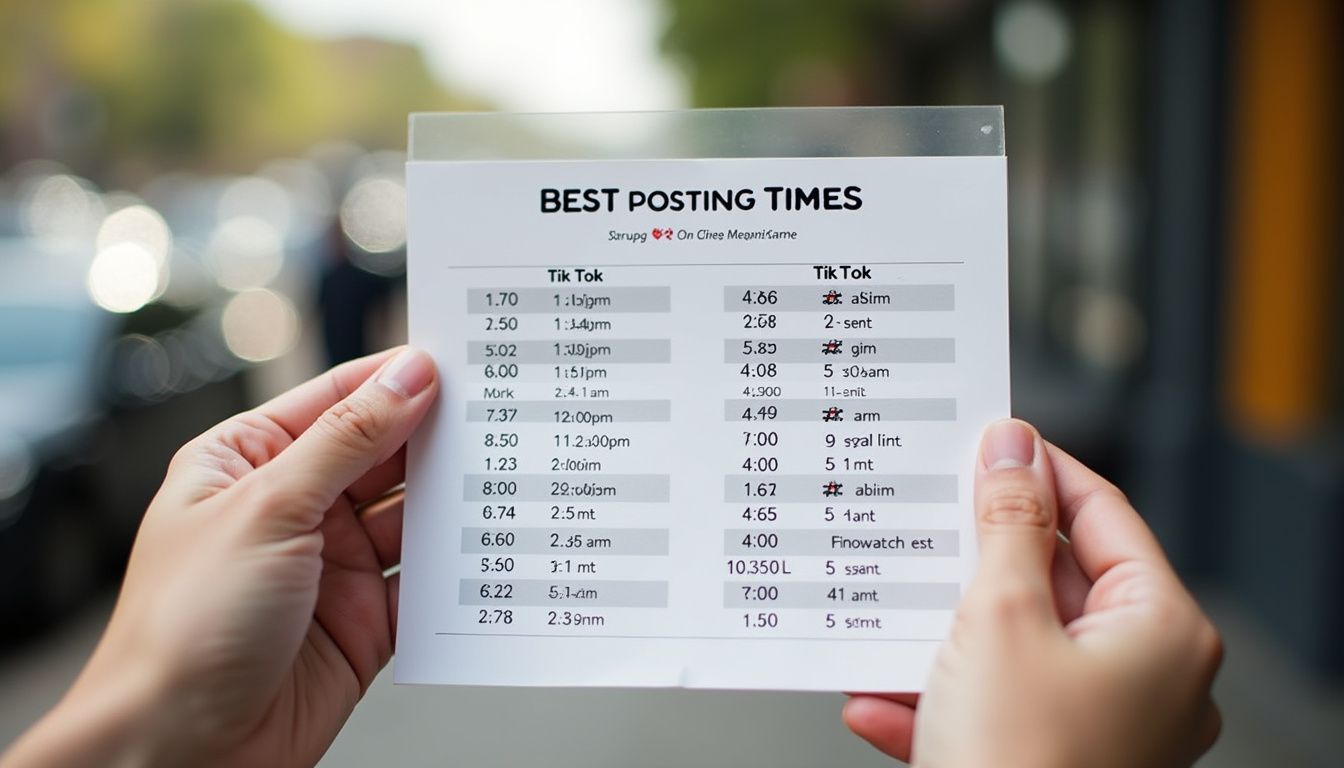
Instagram Reels: Wednesday-Thursday 6-11 PM (evening priority), with Thursday 9 AM as an alternative morning slot. Avoid Friday-Saturday entirely. Post 4-6 Reels weekly. Top algorithm signal: sends per reach (DMs).
TikTok: Tuesday-Thursday 2-6 PM (afternoon-evening), with extended Wednesday window 1-8 PM. Saturday mornings show surprising strength. Avoid Sundays. Post 5-7 videos weekly. Top algorithm signal: watch time/completion rate.
Testing Framework: Pull native audience activity data, pick 3 test slots (morning/midday/evening), run for 3 weeks with consistent content format, score by weighted engagement metrics (35% watch time, 25% shares, 20% saves, 20% comments). Lock in top 2 slots, retest every 3-6 months.
Global Audiences: All times refer to local timezone of target audience. Post when THEY are active, not when you're awake. Consider dual posting for multi-continent audiences, tracking performance by geographic region.