On this page
If you're running ads at scale, you've hit the same wall: churning out creative variants fast enough to keep testing alive. Two AI image models dominate the conversation right now — Google's Nano Banana 2 and Alibaba's Wan 2.7. Both generate images from text prompts, but they take radically different approaches to quality, control, and workflow.
We tested both models across six real-world scenarios — portrait realism, street photography, text rendering, color precision, multi-frame consistency, and interactive editing. The results were clear: Nano Banana 2 is the all-around workhorse, while Wan 2.7 is a specialist tool that shines in specific niches. Here's the breakdown.
Overall Quality and Rankings
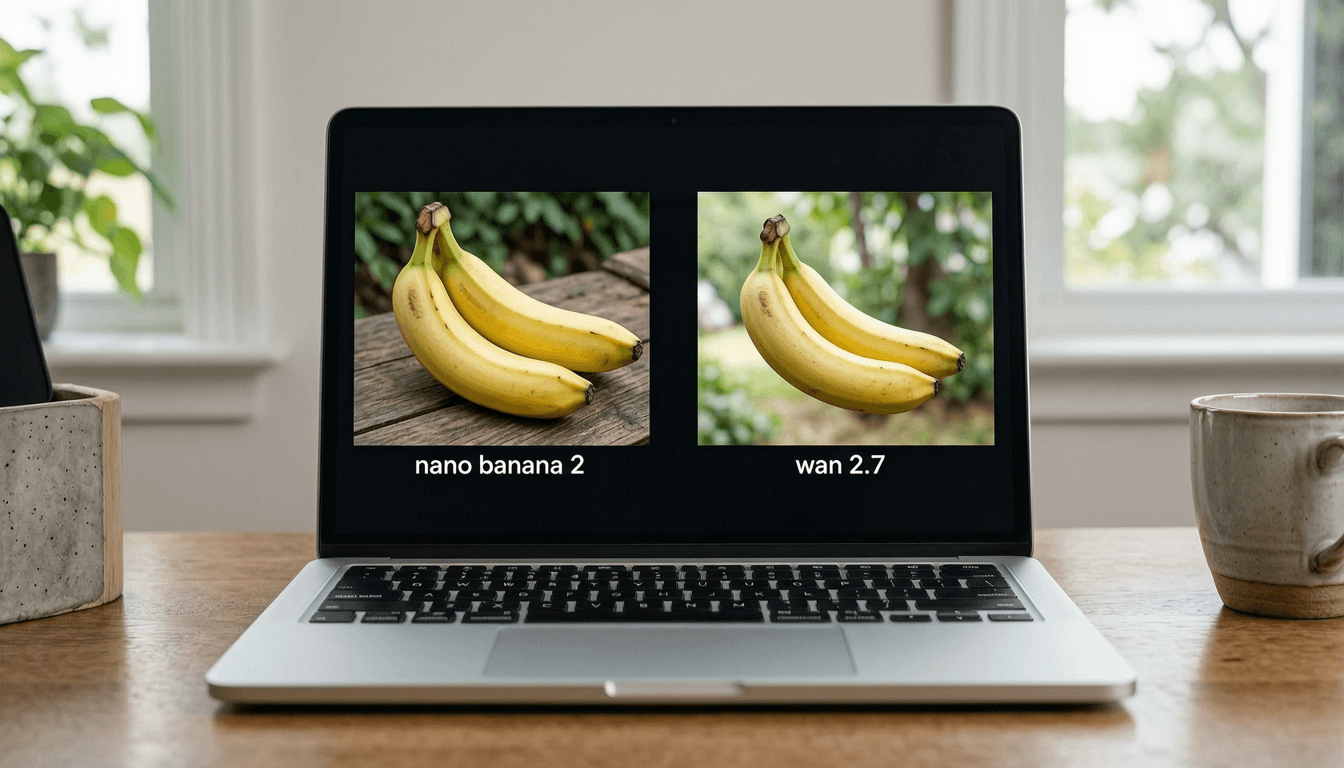
According to the Artificial Analysis Image Arena, Nano Banana 2 currently holds the #1 spot for text-to-image generation in blind tests. Wan 2.7 isn't independently ranked yet, but head-to-head testing shows Nano Banana 2 winning 5 out of 6 real-world scenarios. The one category Wan 2.7 dominated? Human portrait details.
Nano Banana 2 is built on Google's Gemini 3.1 Flash architecture, which gives it access to real-time search and a deep world knowledge model. That means it understands context better — street scenes have proper depth and lighting, multilingual posters keep compositional balance, and abstract prompts don't devolve into AI slop. Wan 2.7 takes a different route: it uses a "Thinking Mode" that plans composition and spatial relationships before rendering. It's slower, but the output is more controlled when you need surgical precision.
For dropshippers and media buyers, this translates to practical workflow differences. Nano Banana 2 is faster and more flexible — ideal when you need 10 ad variants in an hour. Wan 2.7 is better when you have strict brand guidelines or need long-form Chinese text that actually renders correctly.
Text Rendering and Multilingual Support

Text rendering is where these models split hard. Nano Banana 2 supports 14+ languages and can embed readable text directly into images — Chinese, English, Japanese, Korean, and Arabic all on the same canvas. For cross-border e-commerce ads, this is a game-changer. You can generate a single creative with localized copy for three markets without touching Photoshop.
Wan 2.7, however, doesn't support in-image text rendering at all in its standard mode. The Pro version handles long-form Chinese text exceptionally well (up to 3,000+ characters), making it the only viable option for complex product descriptions, recipe steps, or mathematical formulas rendered as images. But if your prompt is in English and you need short, punchy ad copy baked into the visual, Nano Banana 2 is the only functional choice.
In practice, we tested both models with a billboard prompt containing Chinese and English text. Nano Banana 2 rendered readable (though occasionally wonky) text. Wan 2.7 Pro failed to render any text at all in the base scenario, but excelled when the entire prompt was structured as a long Chinese paragraph. Neither model is perfect for professional print work yet, but Nano Banana 2 gets you closer to "good enough" for digital ads.
Portrait Quality and Skin Texture
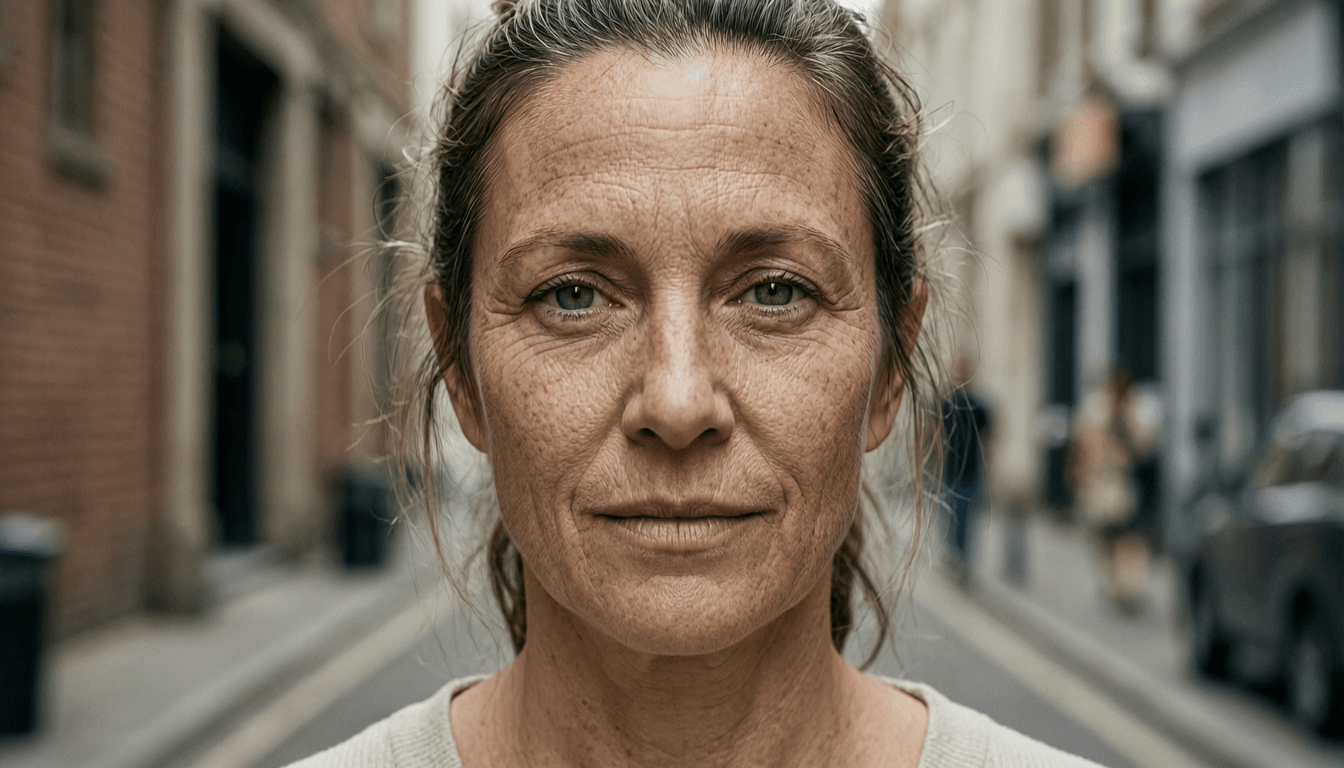
This is Wan 2.7's standout strength. While Nano Banana 2 produces clean, high-quality portraits, they often have that "over-smoothed AI look" — perfect skin, no pores, slightly plastic. Wan 2.7 preserves micro-details like skin texture, uneven tone, and natural blemishes, which makes characters feel more human. In blind A/B tests, Wan 2.7 portraits consistently scored higher for "emotional resonance" and "unique identity."
If you're running UGC-style ads where the model needs to feel like a real person, Wan 2.7 has the edge. It avoids the "generic AI face" problem by giving you fine-grained control over bone structure, eye shape, and facial contours. Nano Banana 2 is faster and handles batch generation better, but the faces blend together more easily.
The catch: Wan 2.7's portrait advantage doesn't extend to full-scene composition. In tests involving street photography or narrative scenes (e.g., a woman walking through a Tokyo market at sunset), Nano Banana 2 produced richer lighting, better depth, and more cohesive storytelling. Wan 2.7's portraits are more lifelike, but the world around them feels flatter.
Brand Color Precision and HEX Support
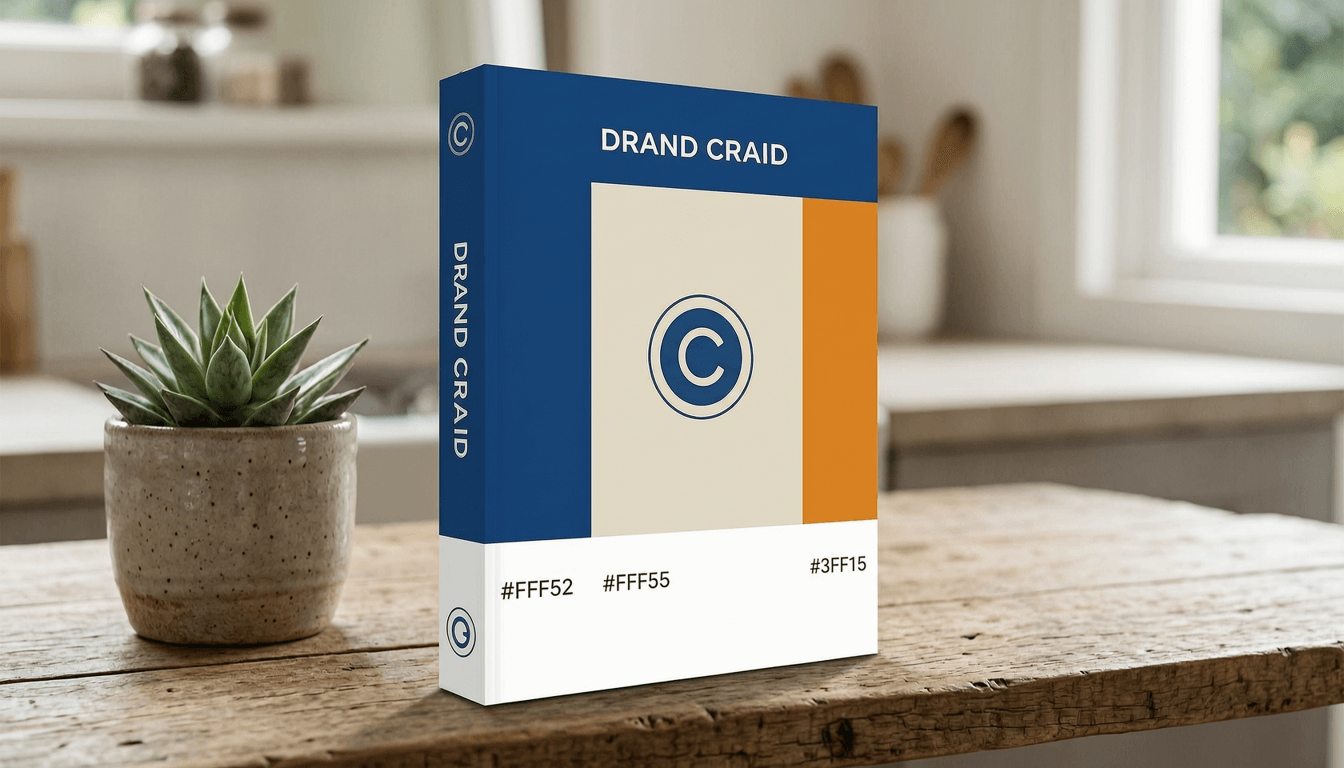
Wan 2.7 Pro is the only model tested that natively supports HEX color input. You can paste `#2C3E50` into your prompt and get pixel-accurate brand colors in the output. For agencies managing multiple brands with strict style guides, this is a workflow saver. Nano Banana 2 interprets color descriptively ("navy blue", "forest green") but doesn't guarantee exact matches.
In practice, we tested both with a product photography prompt specifying exact brand colors. Wan 2.7 matched the HEX values perfectly but struggled with compositional complexity — the lighting was flat, the product felt pasted into the scene. Nano Banana 2 built a richer, more photographic composition but missed the exact color values by 10-15%. Neither approach is strictly better; it depends whether color compliance or visual storytelling matters more for your creative.
Multi-Frame Consistency and Batch Generation
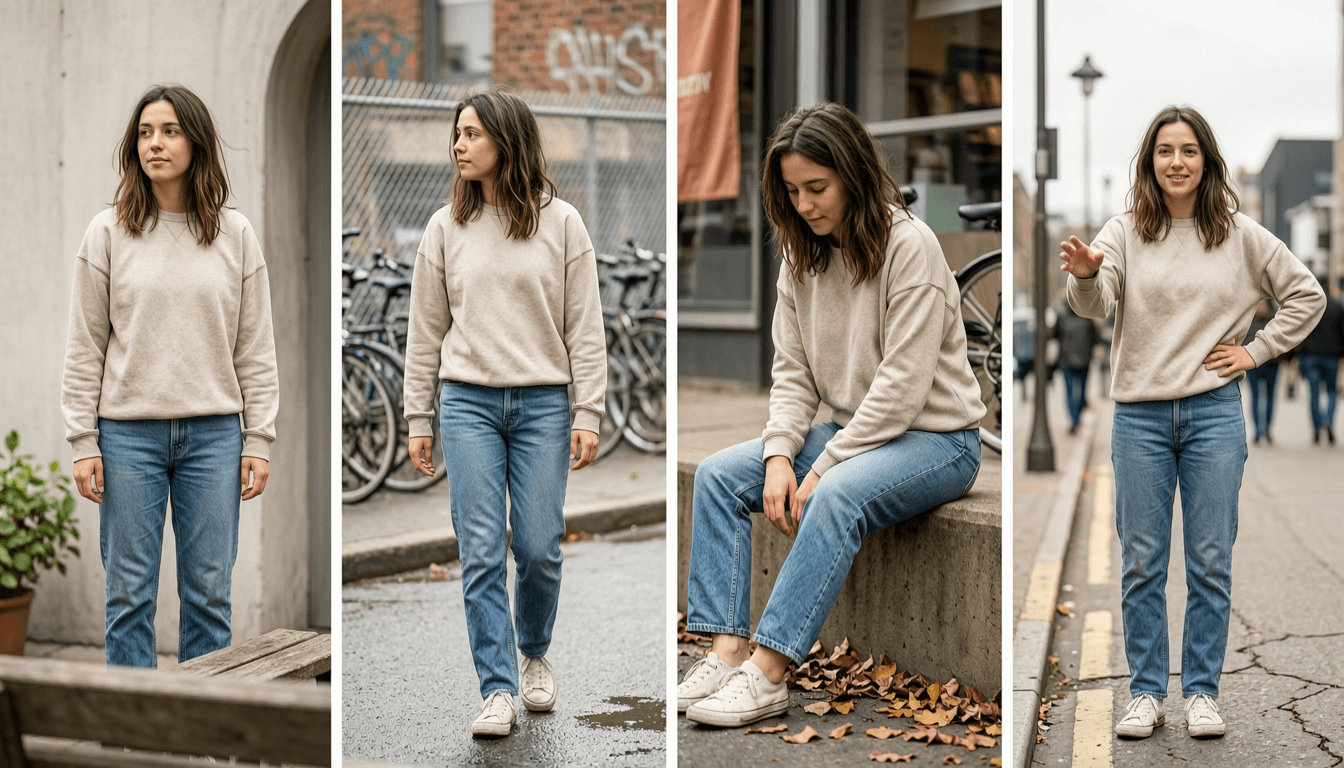
For ad testing workflows, you need the same subject across multiple variants — same model, same product, different backgrounds or angles. Nano Banana 2 handles this better. It supports up to 5 consistent characters and 14 objects across a batch, and in head-to-head testing, it maintained visual consistency across 4-frame storyboards while successfully rendering specific actions (e.g., a soccer player dribbling, shooting, celebrating).
Wan 2.7 Pro technically supports up to 9 reference images for subject consistency, but real-world results were inconsistent. In the same soccer player test, Wan 2.7 struggled to keep the face, kit number, and ball visually aligned across frames. The "Interactive In-painting" feature — which lets you edit specific regions with a mask — also performed poorly in testing, often failing to remove edit marks or misinterpreting instructions.
For dropshippers running 10+ ad variants per product, Nano Banana 2's batch reliability is critical. You can't afford to regenerate every third image because the model lost track of the subject.
Speed, Resolution, and Workflow Integration
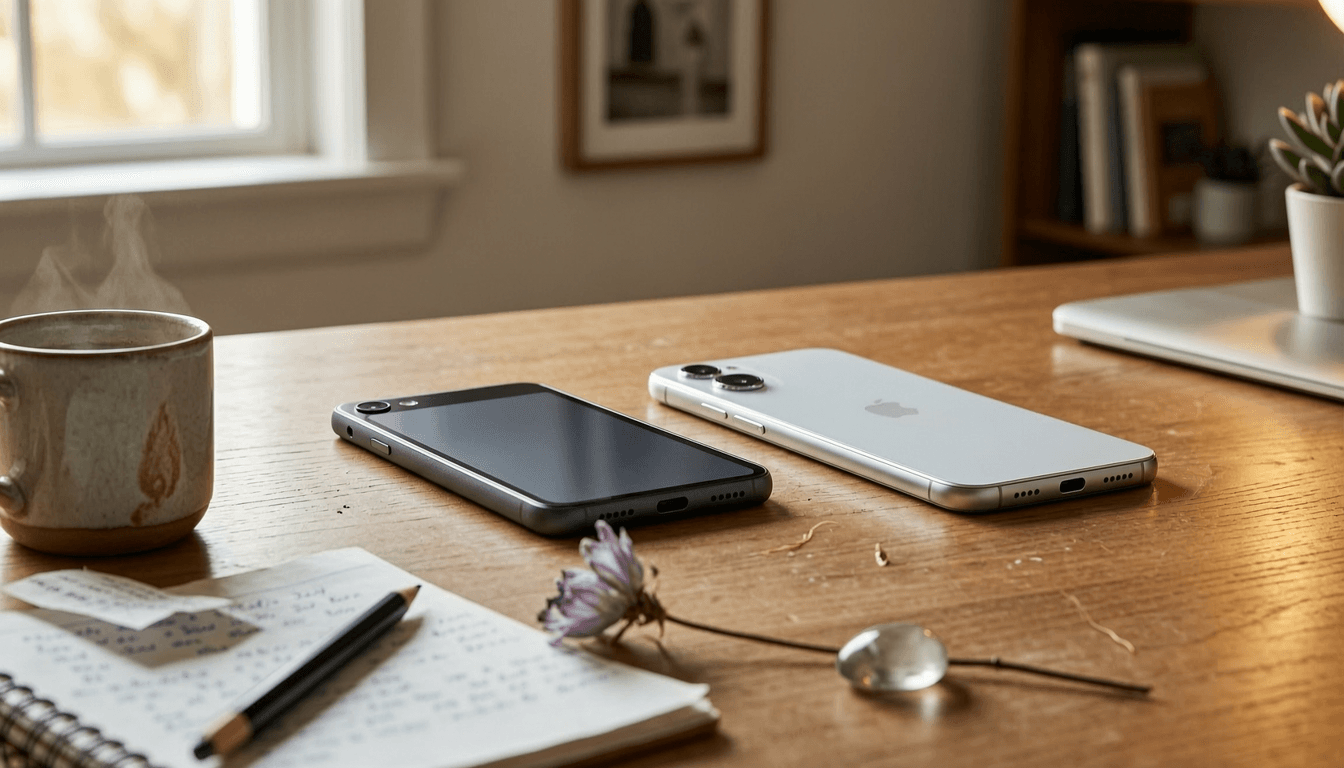
Nano Banana 2 is faster. It's built on Google's Gemini 3.1 Flash architecture, which prioritizes speed without sacrificing quality. Standard resolution is 2048×2048, but it can scale up to 4K (4096×4096) when needed. Wan 2.7 Standard tops out at 2048×2048, with a separate Pro tier for 4K output.
From a workflow perspective, Nano Banana 2 also supports prompt-driven image editing — you can take an existing image and modify it with natural language ("remove the background", "change the lighting to sunset"). Wan 2.7 is a pure text-to-image model with no native editing mode. If you need iterative refinement, you'll need a separate tool.
OneStudio integrates both models, so you can route requests based on the scenario: Nano Banana 2 for speed and multilingual text, Wan 2.7 for strict brand colors or long-form Chinese rendering. You're not locked into one model's limitations, and you don't need to juggle multiple platforms. Check out the pricing page to see how batch credits work across models.
Which Model Should You Use
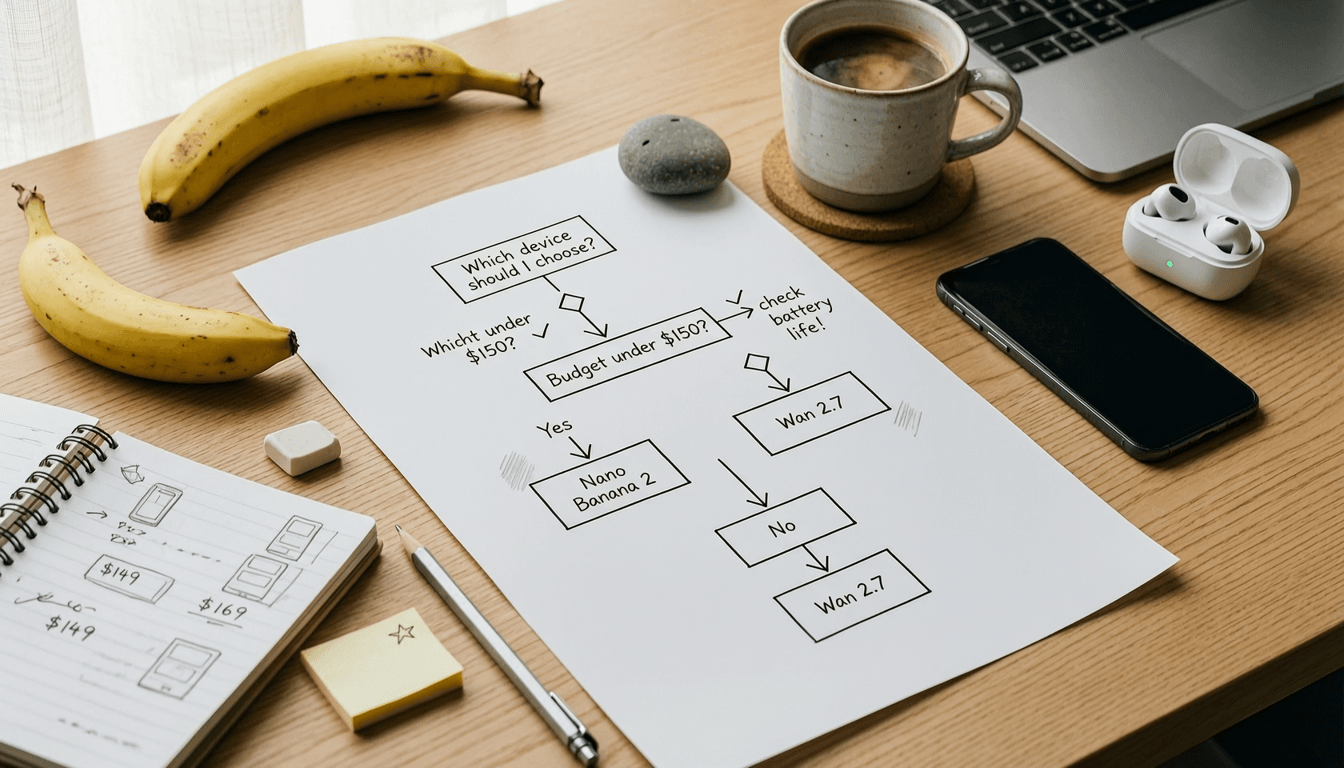
Use Nano Banana 2 if you need: fast batch generation, multilingual ad copy embedded in images, multi-frame consistency, or general-purpose photographic realism. It's the default choice for dropshippers and media buyers who prioritize volume and flexibility over surgical precision.
Use Wan 2.7 if you need: hyper-realistic portrait skin texture, exact HEX color matching for brand compliance, long-form Chinese text rendering (3,000+ characters), or fine-grained control over facial bone structure. It's a specialist tool for niche scenarios where Nano Banana 2's generalist approach falls short.
The reality is you'll probably need both. Ad testing workflows require speed and volume, but certain creatives demand precision that only Wan 2.7 can deliver. OneStudio gives you access to both models (plus 20+ others like Flux, Kling, and Sora) in one platform, so you can test 10 angles for the price of 1 without switching tools. Start with the free tier and scale credits as your testing volume grows.