On this page
Let's get uncomfortable for a second: if you're trying to grow your app on TikTok, you're not hunting for one viral video. You're running a high-volume testing operation. The creators who crack TikTok app installs aren't lucky—they're prolific. They post 20 videos to find 1 that converts. They test hooks, formats, and angles until the algorithm picks a winner.
The problem? Most app founders can't afford to shoot 20 different videos. They make 2, maybe 3, and then wonder why TikTok didn't work. This guide is the playbook: what actually drives installs in 2026, and how to produce the volume you need without a film crew.
The 2026 Algorithm Shift You Need to Know
TikTok's algorithm changed. In 2024-2025, it started prioritizing followers-first testing: your videos get shown to your existing followers before hitting the For You Page. If they save, share, or watch it multiple times, TikTok pushes it wider. Likes matter less than saves and shares now. Later.com reports that saves signal "I want to come back to this," which the algorithm reads as high intent.
What this means for app founders: your first hour of posting is critical. If your followers don't engage fast, the video dies. You need hooks that grab attention in the first 1-3 seconds, and formats that make people want to save or share. The viral lottery is over—velocity and retention are the new gatekeepers.
The 3-Second Hook Is the Whole Game
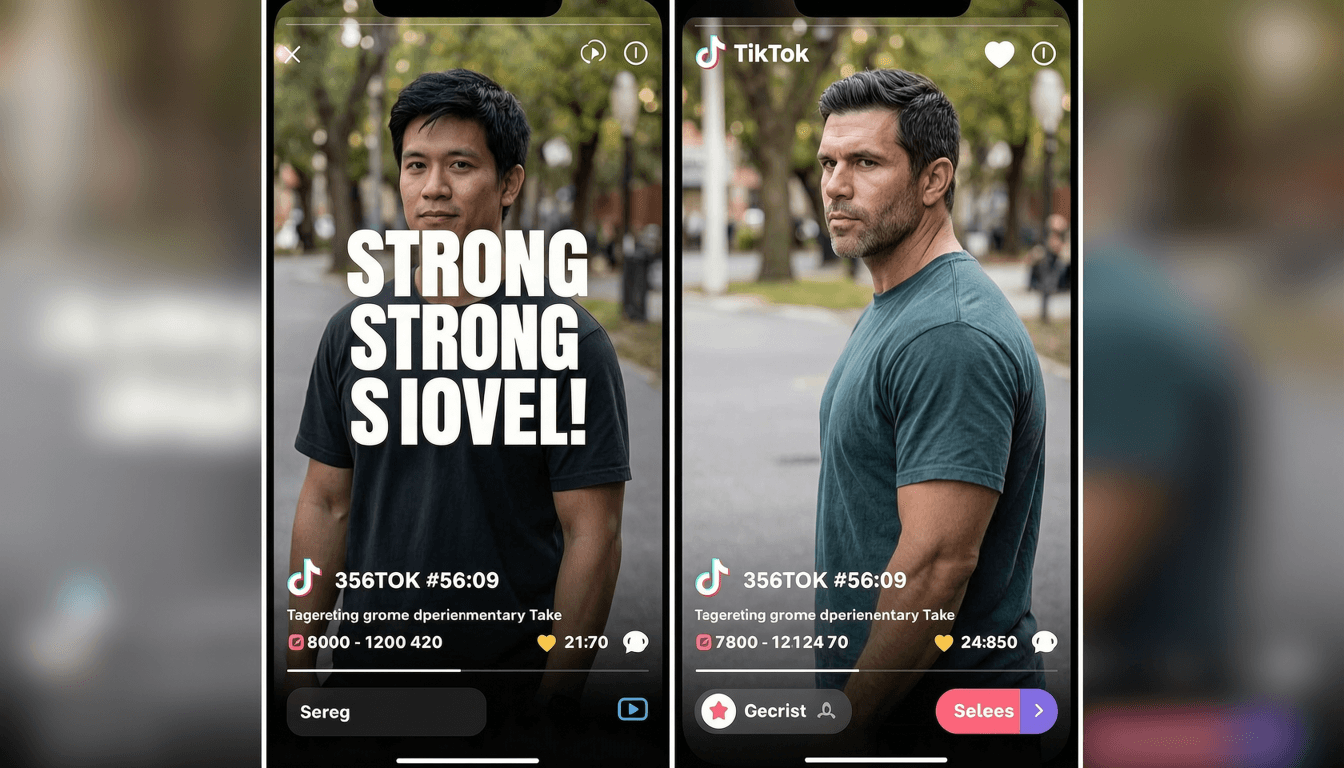
TikTok users decide to scroll or stay in 1.5 to 3 seconds. TikTok internal data shows 62% of users who watch past 3 seconds finish the video, and 54% take action (follow, save, click link). Your hook is everything.
Winning hook formulas for app installs: Confession hooks ("I wasted $400 on project management tools before I found this"), Controversy hooks ("Most productivity apps are designed to waste your time—here's why"), and Problem-solution hooks ("If you're still using spreadsheets to track your sales, watch this"). Open with a pain point your app solves, stated bluntly.
One critical detail: 80% of TikTok is watched with sound off initially (Digiday), so your first-frame text overlay must work without audio. Put your hook on screen in bold, readable text. Auto-captions aren't optional—they're the baseline.
Formats That Convert for Apps
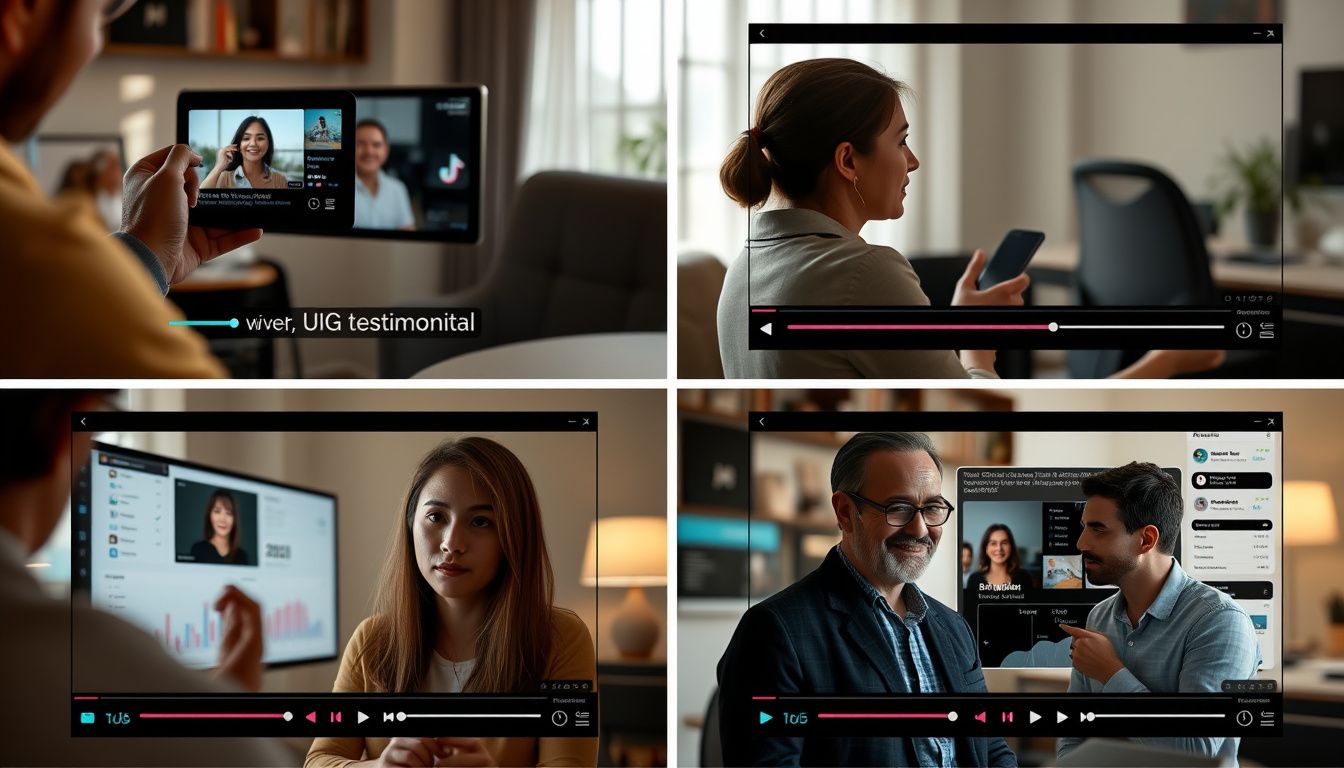
Not all TikTok formats drive installs. After analyzing hundreds of app-focused TikToks, four formats dominate: Screen-recording tutorials ("Here's how I use this app to automate my invoices in 30 seconds"), Day-in-the-life UGC ("I've been using this app for a week—here's what changed"), Problem-solution clips ("Before this app / After this app" side-by-side), and Behind-the-scenes (founder showing how the app was built or a feature demo).
Tutorials perform especially well. Sprout Social data shows educational content has 1.7x higher save rates than entertainment content. Show your app in action, solving a real problem, with clear steps. Keep it under 30 seconds if possible—completion rate drops sharply after that.
UGC-style content (real people, not polished ads) consistently outperforms slick production. Your iPhone camera and genuine testimonial from a user will beat a $5,000 studio shoot every time. The format signals authenticity, and TikTok's audience rewards it.
When and How Often to Post
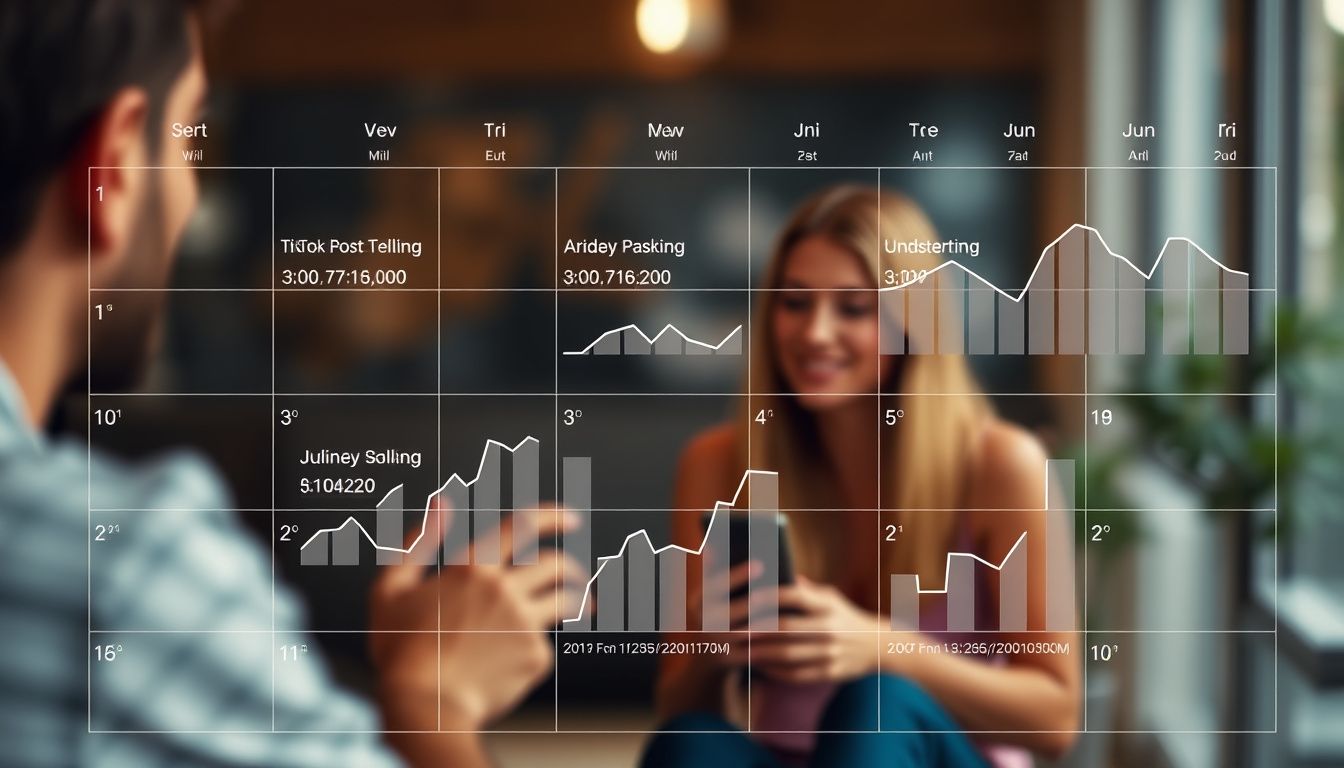
Posting time studies conflict, but here's the consensus: For B2C apps, 6-9 AM, 12-2 PM, and 7-10 PM (user's local time) perform best on weekdays. For B2B/productivity apps, Tuesday-Thursday mornings (7-10 AM) and lunch hours (12-2 PM) see higher engagement from professionals scrolling during breaks (Influencer Marketing Hub, Sprout Social).
But here's the truth: timing matters less than volume and consistency. Post 2-5 times per week minimum. The algorithm favors accounts that post regularly. If you only post once a week, you're not giving TikTok enough data to learn what works with your audience.
B2B nuance: your audience is on TikTok, but they're not in "work mode" while scrolling. Frame your app content as solving life problems, not just business problems. "I used to work weekends to keep up with invoices—this app gave me my Saturdays back" works better than "Streamline your accounting workflow."
The Volume Problem and Why OneStudio Exists
Here's the uncomfortable part: you need to test 20+ videos to find 1 that drives meaningful installs. That's not an exaggeration—successful app TikTok accounts post 50-110 videos before hitting a winner (Later.com case studies). Different hooks, different formats, different problem angles. The algorithm needs data, and you need variants.
Most app founders hit a wall here. You can't afford to hire a creator for 20 videos. You don't have time to film 20 yourself. This is exactly why OneStudio was built: batch-create video ad variants at scale. Start with your product URL—OneStudio's URL-to-ad feature pulls your app visuals and generates multiple video concepts. Test 5 different hooks, 3 formats, 2 music tracks. That's 30 variants from one source.
Need UGC-style testimonials but don't have users on camera? Use OneStudio's lipsync and voice cloning to create authentic-looking testimonials. Want to test auto-captions in different styles? Done in one click. Export everything in 9:16 format, ready for TikTok. The platform handles product shots, auto-captions, and even virtual try-on if your app has a visual component.
Pricing starts at €19.99/mo, and there's a free tier to test. Compare that to hiring a single freelance video editor for one round of edits. You're not paying for 20 videos—you're paying for the ability to test 20 angles and find the 1 that works. See how OneStudio compares to alternatives like Creatify, Arcads, or AdCreative.ai, or check pricing details.
Your Week 1 Starter Cadence

Start simple: pick 1 format (tutorial or problem-solution), write 3 different hooks, and create 3 videos this week. Post them Tuesday, Thursday, and Saturday. Track which hook gets the best first-hour engagement and double down on that style next week. Add 2 more variants of the winner. Repeat.
You're not chasing virality—you're feeding the algorithm data until it finds your audience. The founders who win on TikTok treat it like a testing lab, not a stage. And with tools like OneStudio, you can run that lab without a production budget.
Ready to test 20 angles without filming 20 videos? Try OneStudio and start building your TikTok testing pipeline today.